My Record
Generally speaking most bills do a "voice" vote, which means that no official vote is recorded. Usually recorded votes are ones that are hot topic issues or ones that people want others on the record for. There are a lot of bills that were "roll called". If you click the link below, you can go to my legislative page to review my votes. Under that button are a few votes I think are important to Barre City. If you want more information on a specific vote, email me or call me. My contact information is at the bottom of the page or you can send me a message on the "Get Involved" tab above. I will be adding more in.
Public Safety
These bills primarily focused on public safety laws here in Vermont.
H.2 and H.642 — Raise the Age (Amendments)
I voted yes on both amendments and grouped them together because they addressed essentially the same issue: Vermont's "Raise the Age" law.
Currently, 18-year-olds can have their cases handled in family court, and I have no issue with that. However, the law is scheduled to expand to include 19-year-olds in July 2027 unless the Legislature intervenes.
I do not believe our family court system has the capacity to handle an expansion to 19-year-olds. At some point, we need to acknowledge that adults must be held accountable for their actions.
I supported stopping the expansion of Raise the Age. Under the approach I supported, young adults could still have their cases heard in family court, but it would be a judge's decision rather than happening automatically based on their age.
H.642 — Youthful Offender Proceedings (Amendment)
I supported this amendment because I believe public safety and accountability need to be important considerations when dealing with youthful offenders, particularly those involved in violent crimes, firearms offenses, or repeated criminal activity.
The amendment would have strengthened the ability of courts to address serious offenses and hold young people accountable when they violate the conditions of their release, probation, or treatment.
I believe in giving young people a second chance and an opportunity to turn their lives around. However, that opportunity needs to come with responsibility. We need to protect the public while still allowing rehabilitation for those who are willing to make the effort.
There were two votes associated with this bill, and I want to explain why I voted differently on each.
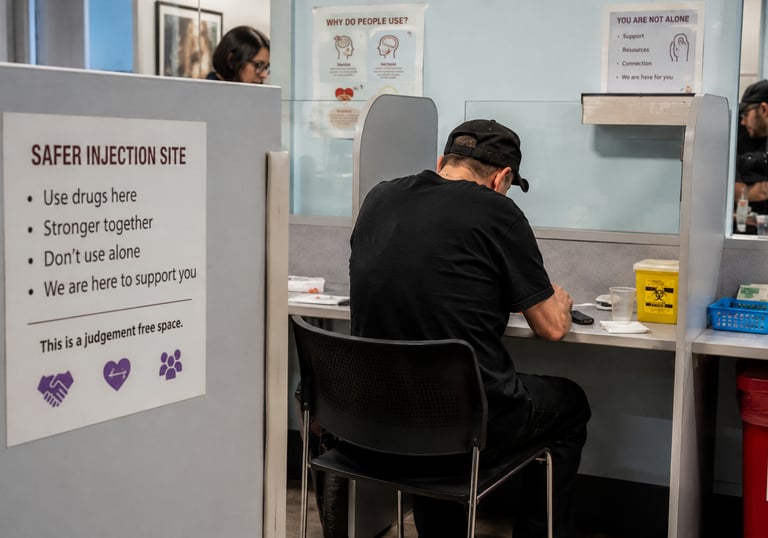
When H.218 came to the House floor, it included $1.1 million in funding for Burlington's proposed safe injection site. Republicans requested that the question be divided so legislators could vote separately on that funding. I voted NO because I do not support using opioid settlement funds for safe injection sites.
I voted YES on the underlying bill because it included other worthwhile investments in substance abuse prevention, treatment, and recovery. I did not believe those programs should lose funding simply because I disagreed with one provision.
My position is that we should focus our resources on helping people overcome addiction and get their lives back on track rather than funding places where illegal drugs can be consumed.
H.218 — Opioid Abatement Fund / Safe Injection Site Funding


S.209 — Civil Arrests in Sensitive Locations
I voted NO on S.209, which expands protections against civil arrests at a wide range of "sensitive locations."
While much of the discussion surrounding this bill focused on ICE and immigration enforcement, my concerns went beyond that. After reviewing the legislation and speaking with Barre City police, I was concerned about the potential impact on local law enforcement, including confusion over enforcement responsibilities and additional legal liability.
I also had concerns about the Supremacy Clause of the U.S. Constitution and whether Vermont has the authority to restrict federal officers carrying out their lawful duties.
I am pro-police, and I believe we need to listen to the officers who actually have to work under the laws we pass. When officers I trust tell me legislation could make their jobs more difficult or expose them to lawsuits, I take those concerns seriously. That was the basis for my NO vote.


S.208 — Law Enforcement Identification
I voted NO on S.208, which would require a statewide policy governing law enforcement identification and the wearing of facial coverings.
Before voting, I reached out to our law enforcement officers. They raised concerns that these requirements could make an already difficult job even harder.
In my view, this legislation was largely a political response to concerns about ICE and federal immigration enforcement. I understand those concerns, but I don't believe it is fair to place additional burdens on our local law enforcement officers because of the actions of federal agencies.
I also have concerns about the Supremacy Clause of the U.S. Constitution. To the extent Vermont attempts to impose requirements on federal officers performing their federal duties, there are legitimate questions about whether the state has the constitutional authority to do so.
I believe we should listen to the officers who actually have to work under the laws we pass. Between the practical concerns raised by law enforcement and the potential constitutional issues, I could not support this legislation.
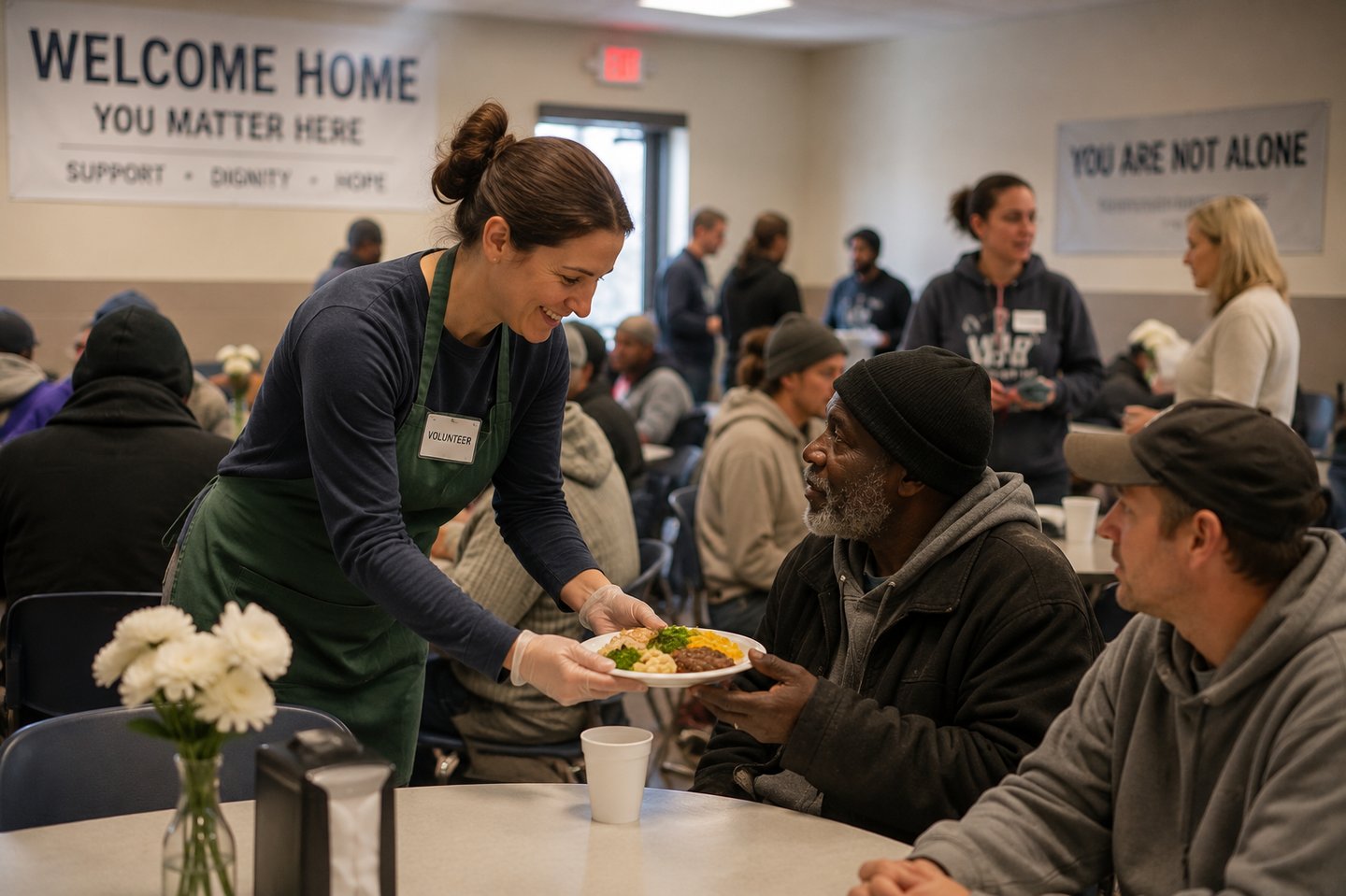
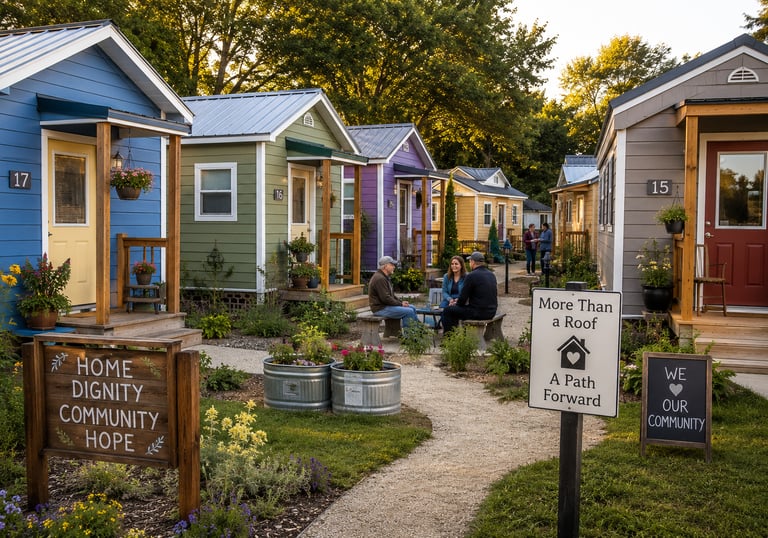
Homelessness
These bills primarily focused on bills that dealt with homelessness.
H.141 — FY2025 Budget Adjustment
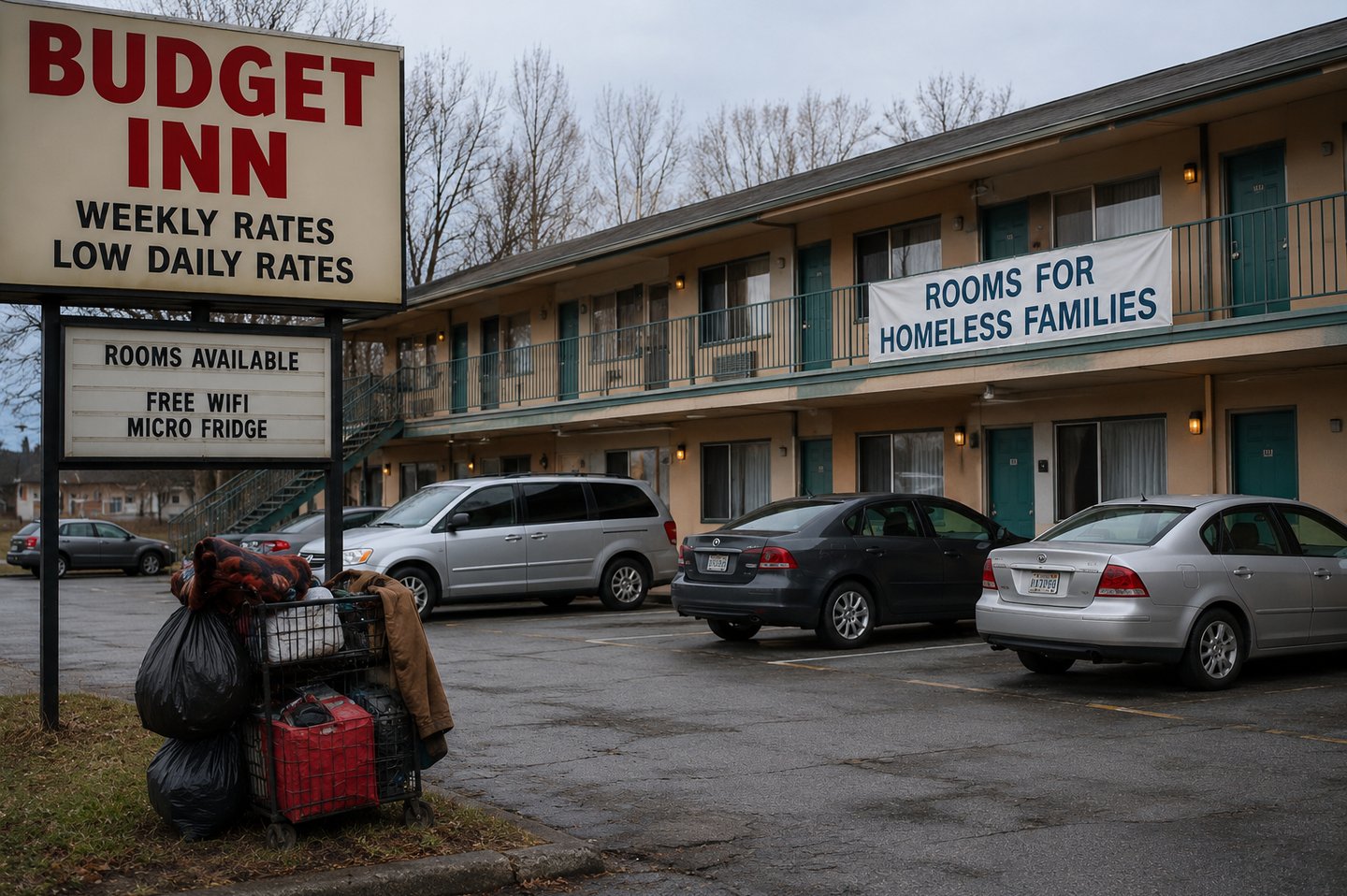
I voted NO because I opposed the continued expansion of the General Assistance hotel/motel program. I do not believe this model adequately addresses the root causes of homelessness.
Vermont has spent millions of dollars on a system that has produced limited long-term results. Emergency shelter has its place, but we need to do more than provide temporary rooms. We need to connect people with mental health care, substance abuse treatment, recovery services, and pathways to permanent housing.
I also have concerns about the amount of taxpayer money going to nonprofit organizations without clear, measurable results. I believe we need greater accountability for how these funds are spent and whether they are actually helping people move out of homelessness.
H.91 — Homeless Emergency Assistance and Transition to Housing
I voted YES on this bill twice, not because I agreed with everything in it, but because it represented an attempt to change how Vermont responds to homelessness rather than simply continuing the hotel/motel program.
The bill proposed moving toward a different system for providing emergency shelter and housing assistance, with a greater role for the organizations responsible for coordinating these services.
I had concerns about some of the details, but I believed it was worth supporting an effort to move away from the existing model. Ultimately, the bill was vetoed.
I supported H.938 because it begins moving Vermont away from relying so heavily on the hotel/motel program and toward a more coordinated approach focused on housing, treatment, accountability, and long-term stability.
The legislation establishes clearer expectations for participants, emphasizes case management, expands shelter alternatives, and places limits on hotel/motel usage.
I don't believe the legislation solves every problem, but I supported it because it creates a framework for helping people move toward stable housing rather than continuing to rely on temporary hotel rooms without a clear path forward.
H.938 — Vermont Homelessness Response Continuum
Government Spending
These bills primarily focused on bills that dealt with government usage of funds.
H.944 — Transportation Bill: Local Options Tax / PILOT Fund Amendment
I voted NO on the House Ways and Means amendment because it removed a proposal that would have allowed surplus Local Options Tax PILOT funds to be used for municipal roads and infrastructure.
Barre City collects a 1% local options tax. The state retains a portion of that revenue to fund payments to communities hosting state property. Over time, that fund has accumulated a surplus.
The original proposal would have directed some of that surplus back toward local transportation projects, including roads and bridges in communities like Barre City.
Fortunately, the Senate restored the concept, and the final transportation bill included an additional $3 million in town highway aid and a mechanism for using future PILOT surpluses for local transportation needs.


H.949 — Full Property Tax Buydown Amendment
I voted YES on Rep. Patricia McCoy's amendment to provide the full education property tax buydown proposed by Governor Phil Scott.
The original proposal would have spread the available tax relief over two years. I believed Vermonters needed that relief immediately, rather than waiting another year.
With property taxes and the cost of living continuing to rise, many Vermonters are struggling to afford their homes. When the state has money available to provide tax relief, I believe we should use it.
Although the amendment initially failed, the full buydown was eventually included in the final legislation following continued efforts by Governor Scott's office. I was pleased to support providing that relief to Vermont taxpayers.


Healthcare
These bills primarily focused on bills that dealt with healthcare.
H.190 — Reference-Based Pricing and the Green Mountain Care Board
I voted NO on S.190. I support efforts to lower hospital costs and make health care more affordable, including reference-based pricing. However, I had concerns about how the proposed savings would be distributed.
For 2027, the legislation specifically targeted qualified health plans and school employee health plans rather than applying the savings more broadly to everyone purchasing health insurance.
We need to bring health care costs down, but I believe reforms should benefit as many Vermonters as possible, not just certain insurance plans.
Governor Scott ultimately vetoed the bill.
You can read the Governor's veto letter here:
https://governor.vermont.gov/sites/scott/files/documents/S.190%20veto%20letter.pdf


S.28 — Access to Certain Legally Protected Health Care Services
I voted NO on S.28. My vote was not about whether abortion should be legal. Abortion rights are already protected under Vermont's Constitution. My concerns were primarily about patient safety and free speech.
The bill included a provision allowing Mifepristone and Misoprostol to be prescribed based solely on an online questionnaire, without a direct interaction between the patient and a medical professional. Even the Vermont Board of Medical Practice opposed this provision, expressing concerns that prescribing medication based on a questionnaire alone does not meet appropriate standards of care.
I also had concerns about provisions regulating crisis pregnancy centers. Regardless of whether someone agrees with these organizations, I believe government needs to be careful when regulating speech, including advertising.
For me, this vote was about maintaining appropriate medical safeguards and protecting constitutional rights, not restricting access to abortion.
Proposed Constitutional Amendments
There were two proposed constitutional amendments voted on this session. An amendment to our constitution is a serious matter and requires a four year process. They are started in the Senate as proposals.
Proposition 3 - Right to Collectively Bargain
I voted yes to put Proposition 3 before Vermont voters this November.
Barre City has a proud and important history with the labor movement, particularly through our granite industry. There is no denying the positive impact organized labor had on the wages, working conditions, and safety of granite workers.
Vermont is also not entirely breaking new ground. A handful of other states have constitutional protections for collective bargaining, and I have not seen convincing evidence that those amendments have had a significant negative economic impact.


Proposition 4 - "Equality of Rights" Amendment
I voted no to putting Proposition 4 before the voters.
Our state constitution is a sacred document. It is supposed to be timeless. It should not be amended casually or without serious public understanding and debate.
Prop 4 is commonly referred to as the "Equal Rights" constitutional amendment. But after reading the language and reviewing the testimony, I do not believe this amendment is written correctly nor do I believe it delivers on the promise of equal rights for all. That is important because this is not just some law that can be undone. There is a four year process to make a constitutional amendment. It should be difficult and should be done correctly.
The proposed Article 23 begins with language I strongly support: "That the people are guaranteed equal protection under the law." Then followed by a finite list of specific protected categories and adds a final sentence saying the article shall not prevent measures intended to provide equality of treatment and opportunity for groups that have historically been subject to discrimination. Because this issue is already being misrepresented, I want to be very clear: my concern is not with any of the groups listed in the amendment. I support equal protection under the law, and I support protecting people from discrimination. It is a finite list and ambiguous third sentence that concerns me.
I understand the intent of the last sentence. But I do not believe our Constitution should be written in a way that appears to create different standards of equality for different groups. Equal protection should mean equal protection for every Vermonter.
Professor Peter Teachout, a constitutional law professor who supported adding an equal protection clause to the Vermont Constitution, raised a serious concern with this language. He said the language protects the groups listed, but it leaves unclear whether, and to what extent, it protects others who are not listed. He said the problem comes largely from the use of closed list of protected classes.
He also pointed out that once the Constitution lists some protected groups, it raises the question of why others were left out, including age, weight, body type, height, past criminal record, genetic makeup, or temporary homelessness.
Professor Teachout offered a simple fix: make the list representative instead of exclusive by using language like "on grounds such as" before the list. That would make the amendment more inclusive, not less.
I believe part of the reason there has been so little pushback is that people are hesitant to speak up. There have been a few voices, but they were drowned out. Even today during vote explanations someone said "I find it unfathomable that anyone in our Chamber would vote against this proposition to secure human rights for all who live here." That is exactly the kind of framing that makes people hesitant to raise legitimate concerns. Had there been an opportunity for me to amend it, I would have made an amendment to add in the language suggested by Prof Teachout. But there is no way to do so, therefore I could not. Nevertheless I cannot let fear of backlash decide how I vote on the Vermont Constitution or any bill for that matter.
Originally, I was going to support this. Then I looked more closely. The more I read, the more concerned I became. Then I made the decision. I would vote no and I did. The political pressure to vote yes on what I believe is a subpar amendment was heavy. But I believe people elected me to do what I believe is right and not succumb to the pressure, no matter how great.
Maybe I am wrong, and maybe I am reading it wrong. I wish I could amend it to make it better. But I could not. We either pass it as written or reject it.
I chose to reject it. I cannot support sending flawed constitutional language to the voters. I believe we need to vote it down in November and go back to the drawing board, and bring back language that truly protects everyone.
Equal rights must mean equal protection for all — clearly, plainly, and without ambiguity.


Resolutions
The House and Senate pass resolutions for several reasons, including celebrating achievements, honoring people, or taking a position on an issue. These honorary and opinion resolutions do not change the law. They are statements of recognition or support, and votes on them let the public know where their elected representatives stand.
H.R. 12 House resolution expressing support for the principles behind the statement of Governor Philip B. Scott regarding the federal surge of U.S. Immigration and Customs Enforcement (ICE) and U.S. Customs and Border Protection (CBP) agents in the State of Minnesota
I voted yes on H.R.12 in support of the principles behind Governor Scott’s statement on immigration enforcement in Minnesota.
Two things can be true at the same time. We have immigration laws, and we need to enforce them. We also need to enforce them carefully, with clear purpose and respect for constitutional rights.
In my view, what was happening in Minnesota under then-Secretary Kristi Noem’s leadership was getting out of hand. Supporting immigration enforcement does not mean we should ignore problems with how it is carried out.
President Trump brought in Tom Homan to oversee the operation, and I believe his approach was an improvement.


Reach out with questions or to get involved
Phone
boutinforbarre@gmail.com
802-272-2858
© 2026. All rights reserved. Paid for by Michael Boutin, 5 Hillside Ave, Barre VT 05641